When we talk about board games, we usually picture those big, colorful boxes filled with game pieces, cards, and a game board. But what really counts as a board game? It’s not always as straightforward as it seems!
At its core, a board game involves players interacting with each other around a board. This can include things like moving pieces, completing tasks, or even building strategies. Classic examples are Monopoly and Scrabble, where players take turns and generally have a set of game rules to follow.
Now, let’s include card games in the mix. Games like Uno or Poker involve cards and can be played on a table, but they often don't have a traditional board. Still, many people see these as board games. Why? Because they share similar social elements and gameplay styles. If you're playing with a group, laughing, and enjoying some friendly competition, it fits the vibe!
In the end, it boils down to what you enjoy. If you're having a great time rolling dice, drawing cards, or moving pieces, who cares what category it falls under? Whether it’s a card game or a classic board game, having fun is what counts!
Key Differences Between Card Games and Board Games
Card games and board games both bring friends and family together for some fun, but they each have their own unique vibes. Let’s break down the key differences between the two so you can decide which one fits your game night mood best.
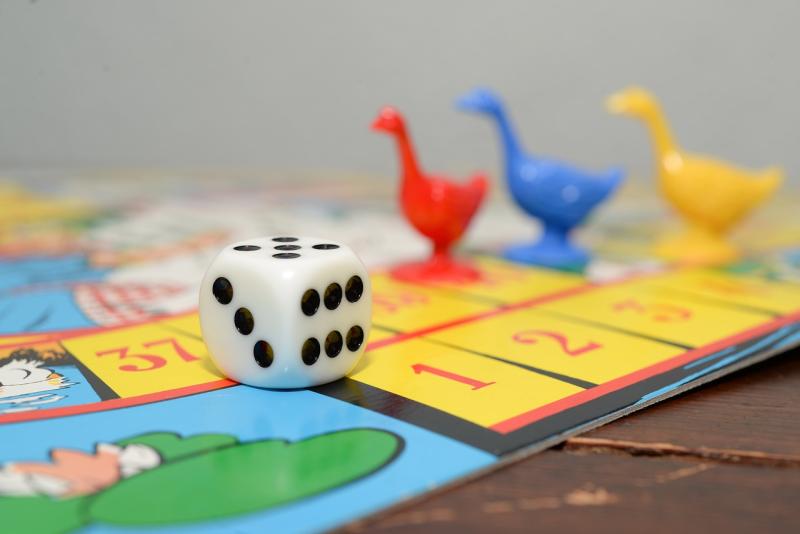
First off, the setup is often different. Board games usually come with a game board, various pieces, and sometimes even accessories like dice or tokens. You might spend a little time setting everything up before diving in. Card games, on the other hand, are often simpler and just need a deck of cards. You can shuffle and go! Perfect when you’re short on time or space.
Next, think about the gameplay. Board games tend to have more complex rules and include a variety of strategies. You might have to move pieces around, keep track of resources, or engage in a bit of competition over the game board. Card games, however, usually focus on hand management or a specific set of actions. They can be fast-paced and often require quick thinking or bluffing skills.
Another point to consider is the number of players. Many board games are designed for a larger group, allowing for team play. Card games can be played with just a couple of people or a big group, making them super versatile. You can easily adapt a card game to fit the number of players you have.
Finally, the length of playtime usually differs. Board games can take a while to finish, sometimes even a couple of hours. Card games are generally quicker, making them great for casual play. If you’re looking for something to spark some laughs without a huge time commitment, a card game might just be the way to go.
Popular Card Games That Feel Like Board Games
Card games can feel just as immersive and engaging as board games, blending strategy and fun in a neat little package. Here are some popular ones that really capture that board game vibe.
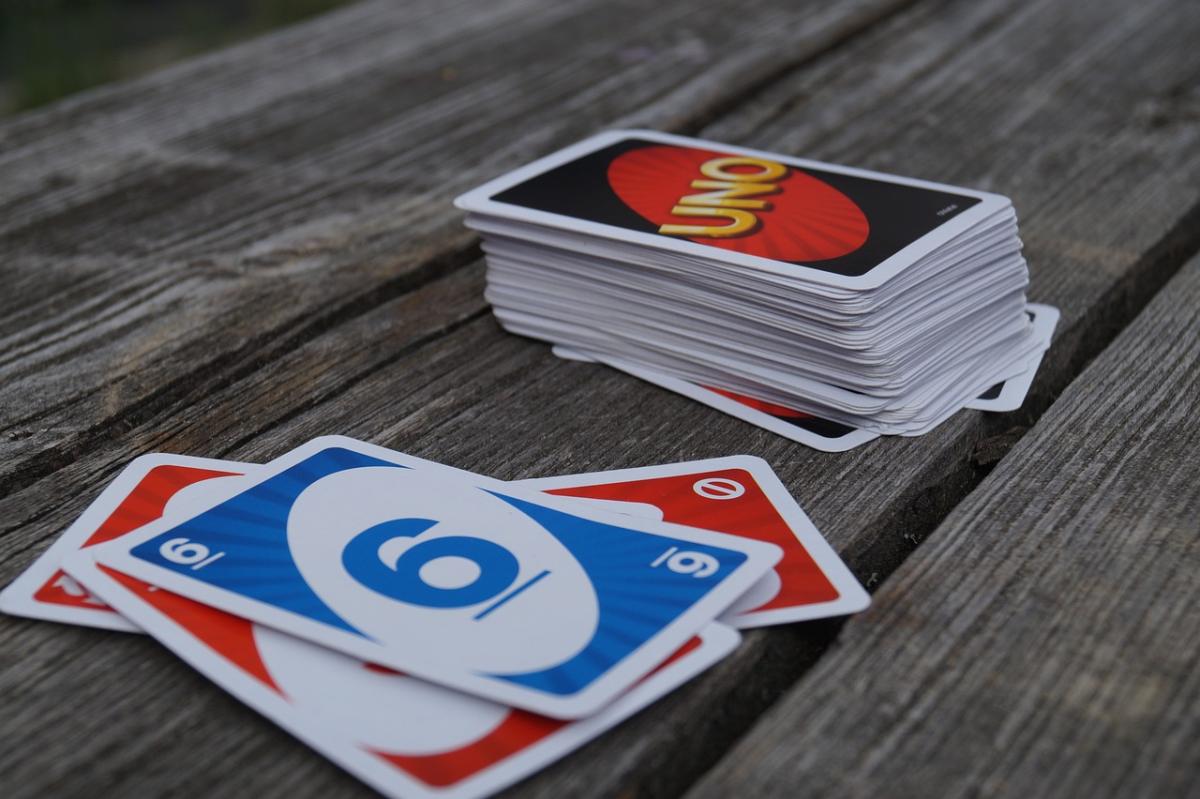
1. Uno
This classic game is a staple for a reason. It’s easy to learn, but it also offers enough strategy to keep things interesting. Plus, the colorful cards and fun action cards add a playful twist. Whether you’re stacking cards or trying to yell "Uno!" before your friends, it’s always a blast.
2. Dominion
If you love the thrill of building your own strategy, Dominion is a must-try. This deck-building game lets players create their own card combinations to outsmart opponents. You get to choose cards to buy and play, making each game feel unique. It’s got a board game essence in a compact card format!
3. Sushi Go!
Sushi Go! combines adorable artwork with quick gameplay. In this drafting game, you pick sushi-themed cards to create the best meal. It’s simple to grasp, and the rounds fly by. Plus, the strategy of what to keep and what to pass makes it feel like a mini board game experience.
These card games offer that exciting blend of strategy and interaction that you’d expect from traditional board games. Grab a few friends and dive in!
How to Choose Between Card and Board Games
Choosing between card games and board games can feel a bit like picking between pizza and tacos. Both are fun, but they offer different experiences. Card games are often quicker to set up and can usually be played anywhere, while board games might require a bit more space and time.
If you’re looking for something fast and easy, card games might be your best bet. They’re perfect for a casual night with friends or a quick family game after dinner. Plus, they often come in compact boxes, making them easy to toss in a bag for game night at a friend’s house.
On the other hand, board games can be great for those epic game nights. They often come packed with creative themes, beautiful artwork, and strategic challenges that can keep everyone engaged for hours. If you like diving deep into game mechanics and storytelling, a board game might be right up your alley.
Consider how you plan to play. If you're just hanging out casually, card games can keep things light and fun. But if you want to gather everyone around a table for a memorable night filled with laughter and friendly competition, go for a board game that promises great adventures and complex strategies.